Parting out a flip vs selling it whole: the net to net math
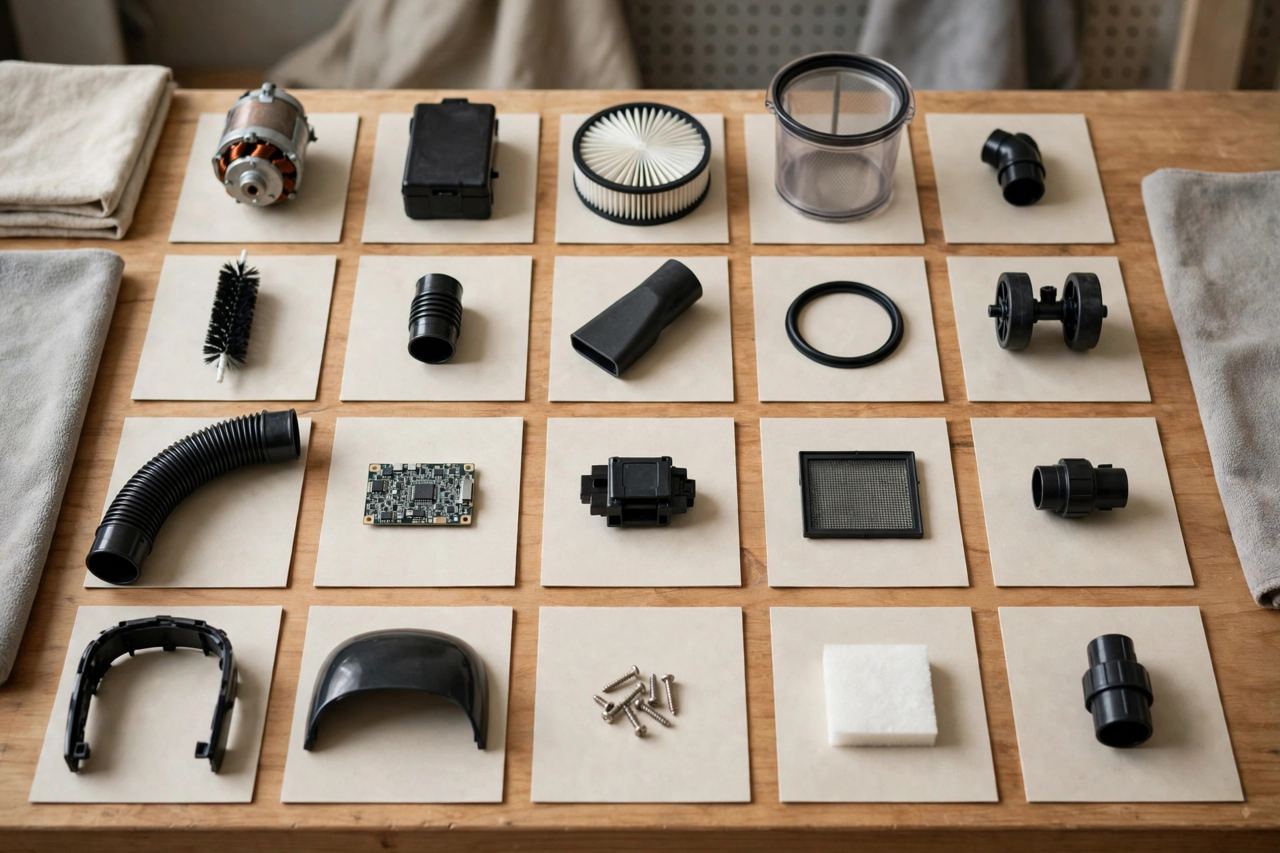
Do not part out an item because its parts list adds up to more than the whole item's price. That comparison, gross against gross, is the one that sells the idea and the one that lies. Part out only when the parts you will actually sell, after every fee, every shipping subsidy, every hour of pulling and listing, and every month of storage, beat the whole item's net by enough to pay for the wait. For a complete, working item with a live market, that bar is rarely cleared. For a broken item whose whole value is near zero and whose components fit other people's working units, it often is. Everything below is how to tell the two apart before the screwdriver comes out.
Earnings disclaimer: This article is general information about reselling, not financial advice. Resale income varies with sourcing, condition, demand, and time spent. No result described here is a guarantee of profit.
The only fair comparison: net to net
The framework comes from the vehicle part out literature, where the numbers are big enough to expose every leak, and it transfers directly to appliances, tools, electronics, and sets. Whole sale net is the sale price minus what you paid, minus that route's own costs: cleaning, listing, transport, and selling fees. Part out net is the parts you actually sell, plus whatever the stripped residue still brings, minus what you paid, minus a fee on every separate order, minus shipping you absorb, minus the labour to pull, photograph, list, pack, and ship each part, minus storage while the parts wait, minus the parts that never sell at all. Two accounting rules keep the comparison honest. Costs already sunk before the decision are the same under either exit, so they are not charged to one side. And asking prices are not sale prices: realized prices run below ask once buyers start making offers, so the parts column gets priced at what parts like them have actually sold for, not at the sum of optimistic listings.
The worked example, with the costs left in
The documented vehicle case shows how fast the landslide shrinks. A damaged donor bought for $1,800 might bring about $2,200 sold whole: a $400 gross spread, fast, and still before that route's own costs. Parted out, an optimistic top five parts ask $2,520 gross. Now subtract honestly. Marketplace fees on those five separate sales, at about 13.6 percent plus roughly $0.40 an order, come to about $345. Against the $1,800 acquisition cost, the top five alone land near $375, and that figure is still before shipping absorbed, before the labour of five pulls and five listings, and before storage. What rescues part out in the example is not the top five; it is the long tail of smaller parts over the following months, plus the residual value of what remains. Translated to a flip: a parts list that only wins on its five best components has not won yet.
| Sell whole | Part out | Hybrid | |
|---|---|---|---|
| Payments | One | Many, spread over weeks to months | A few |
| Time (vehicle guide figures) | About 1 to 2 hours | About 20 to 40 hours | About 3 to 8 hours |
| Fees | One sale's fees | A fee on every separate order | Fees on the pulled parts plus the whole sale |
| Storage | Clears at once | The item, then the shelf of parts | Mostly clears |
| Best when | The whole item works and has buyers | The whole item is near worthless and components are in demand | Two or three components carry most of the parts value |
Time is the denominator
The vehicle guides price the part out at 20 to 40 hours spread across weeks to months, against 1 to 2 hours for a whole sale. A general flip scales down but keeps the shape: every part is its own photograph set, listing, message thread, package, and trip. Divide the part out advantage by those hours before celebrating it. An extra $90 that costs six hours and two months of shelf is a $15 an hour job that also rented your storage; the same $90 on a whole sale that took twenty minutes is a different business entirely. This is also where the experience of working resellers bites: a small, fast, modest profit on a quick whole sale recycles the same dollars again next week, while part out money arrives in drips. Broken items change the verdict, not the arithmetic: when the whole unit is worth little because one component failed, the remaining components are the value, and parting out is how it gets collected.
The hybrid: pull the few parts that carry the value
In category after category, a small number of components carries most of the parts value: in the Canadian vehicle examples it is the engine, transmission, and catalytic converter, while the long list of small electronics adds low value for high listing effort. The same pattern holds in a washer (motor, control board, pump), a power tool (battery platform parts, motor, chuck assembly), or a game console (drive, power supply, controllers). The hybrid route pulls only those few, lists them properly, and sells or scraps the remainder whole. It captures most of the part out upside at a fraction of the hours, and it leaves no shelf of $8 parts waiting for buyers who may never come.
The kill criterion, stated before you start
Set it in numbers before the first part is pulled. Part out only if the realistically priced parts, at sold prices rather than asks, beat the whole item's expected net by at least the value of your hours at a rate you would accept, plus a margin for the parts that will not sell. Then set the stop line: any part unsold after 60 days gets one price cut; after 90 days it is bundled, donated, or scrapped, and the experiment is scored honestly in the ledger. An item that fails the test at the pricing stage gets sold whole without regret. The regretful outcome is never the road not taken; it is the shelf of orphaned parts, eighteen months later, still waiting to prove a gross total right.
— Sterling Cole, Money Writer — Earning Desk